We have two shows running currently. One is at the Sharon Townhall and the other is at the Scoville Library in Salisbury. Check them out.
OPENING and Exhibition (for a month) of photos by
Verne Henshall at the UCC Parish house in Cornwall on APRIL 12, 11:30 to 1:30. Photos from many travels and portraits over years including:
India, Myanmar, Italy, France, Morocco and Cornwall! refreshments served.
There’s also another show coming up by Jack Kearney who creates photographs shaped by patient observation and a deep sensitivity to subtle light and quiet landscapes of the Northeast. His work captures understated scenes of New England—where land, water, and human presence meet—inviting viewers to slow down and find beauty in fleeting, everyday moments.
Jamie Gagarin Gallery
@ the Oliver Walcott Library
In Litchfield, CT
reception is on 4/16 from 5-7pm
Runs 4/13 - 5/21
This season NECCC and PSA competitions The Housatonic
Camera Club will again compete this coming season in the NECCC and PSA
interclub competitions.
The NECCC Digital interclub Competition
will have “Open”, and “Nature” categories.
The maximum image
size for the NECCC competition will this year increase to 1920 x 1080
pixels.
We will sent the four highest scoring images from our
internal scoring to the NECCC Competition.
Be aware that NECCC does not allow any "Nature" subject in the color
competition.
Regarding "AI", it seems it will not be allowed in the competition
images, but they are still putting the new rules on their website and
when they have finished I hope to send everyone a link to these
"Rules".
The PSA Digital Interclub Competition will have "Color"
and Monochrome categories. The maximum image size stays 1920 x 1080
pixels and all subjects are allowed in both categories. We will sent
the six highest scoring images from our internal scoring to the PSA
Competition.
PSA is also writing new rules about using "AI" in
competition images and I hope to send links to those rules in the
future.
We hope that many members participate this year and use
these competitions to show each other our images.
Happy
shooting
Bert
Support your club and your newsletter with active participation because we cannot survive without that.
There are several committee positions open such as Secretary, Salon Show Coordinator (have one, can use another). If interested in any of these positions, please let Dawn or Lazlo know
our Facebook group and participate on our Facebook site
the videos of our previous meetings


President: Dawn
Dingee
d1295@aol.com
Vice-President:
Steve Goldberg
steven.goldberg512@gmail.com
Treasurer: Heidi
Hoeller
heidi.m.hoeller@gmail.com
Membership/Dues:
Heidi Hoeller
heidi.m.hoeller@gmail.com
Publicity:Pamela
Peeters
pamelaluciapeeters@gmail.com
Program Director:
Open position
Webmaster: Lazlo
Gyorsok
lazlogyorsok6@gmail.com
Newsletter:
Lazlo Gyorsok
lazlogyorsok6@gmail.com
Hospitality:
Gail Goldberg
Secretary: Open
Position
Competitions:
Bert Schmitz
bschmitz@att.net
Salon Committee:
Brian Wilcox
ctphoto@comcast.net
Gail Goldberg
gadgoldberg@gmail.com
Lazlo Gyorsok
lazlogyorsok6@gmail.com
Projector Coordinator:
Brian Wilcox
ctphoto@comcast.net
Liaison Representatives:
PSA - Jane Rossman
jrossman222@gmail.com
NECCC - Bert Schmitz
bschmitz@att.net
Proud member of:
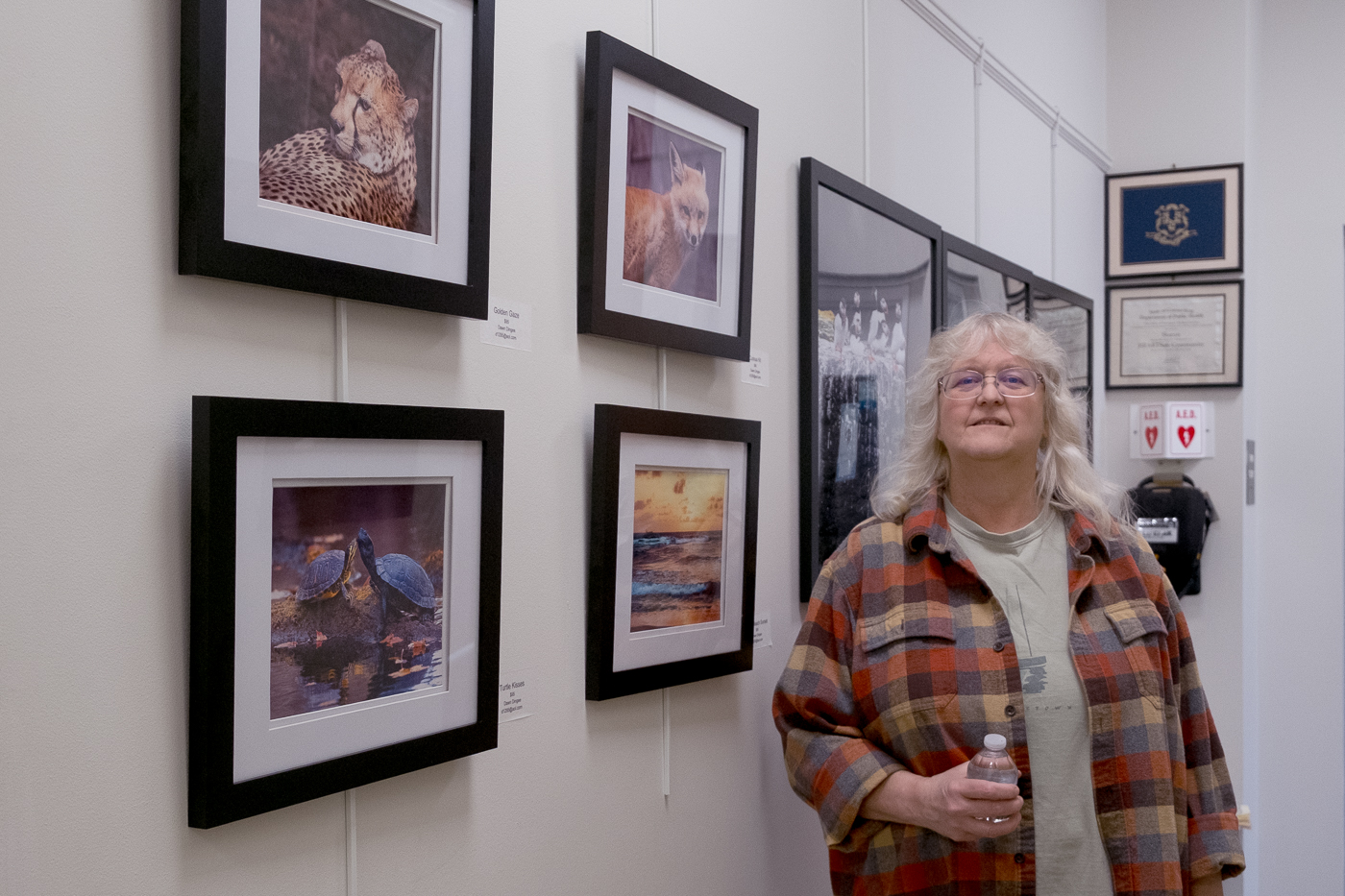
This past month has been a busy one for HCC. Earlier in the month, we had our show opening for the
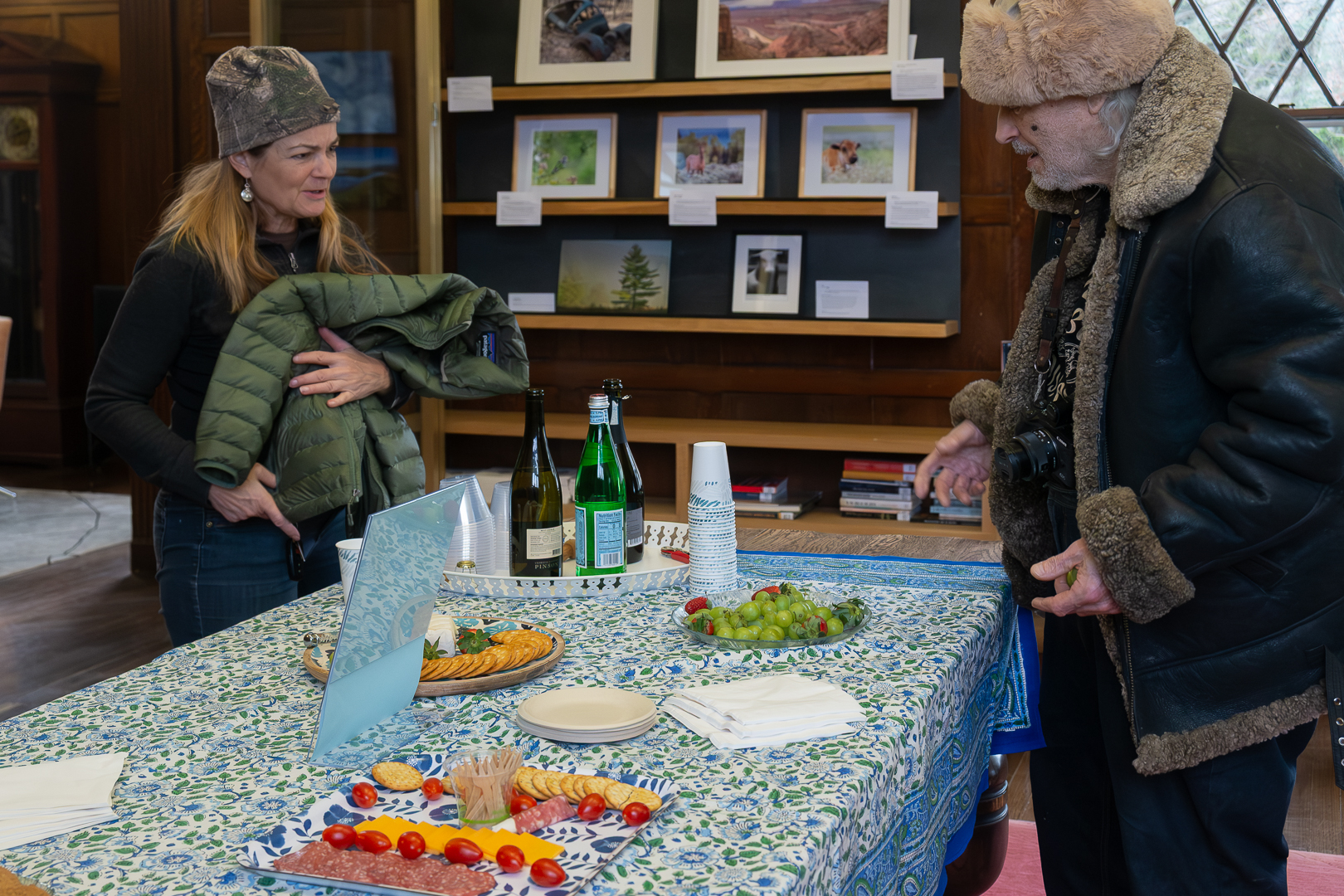
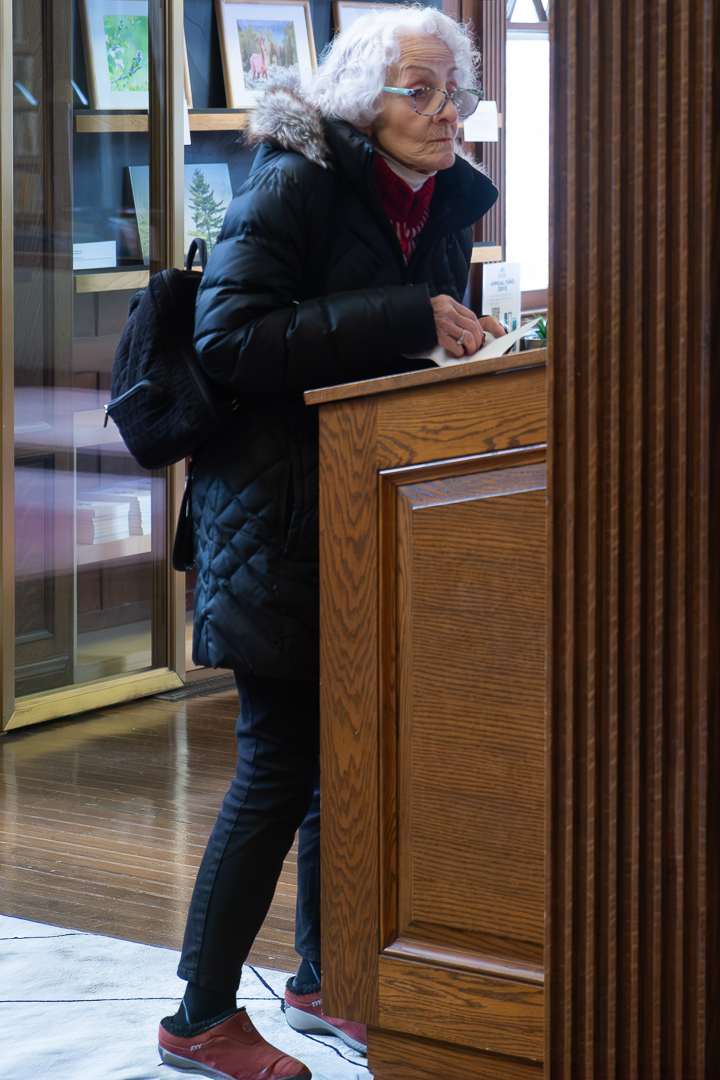
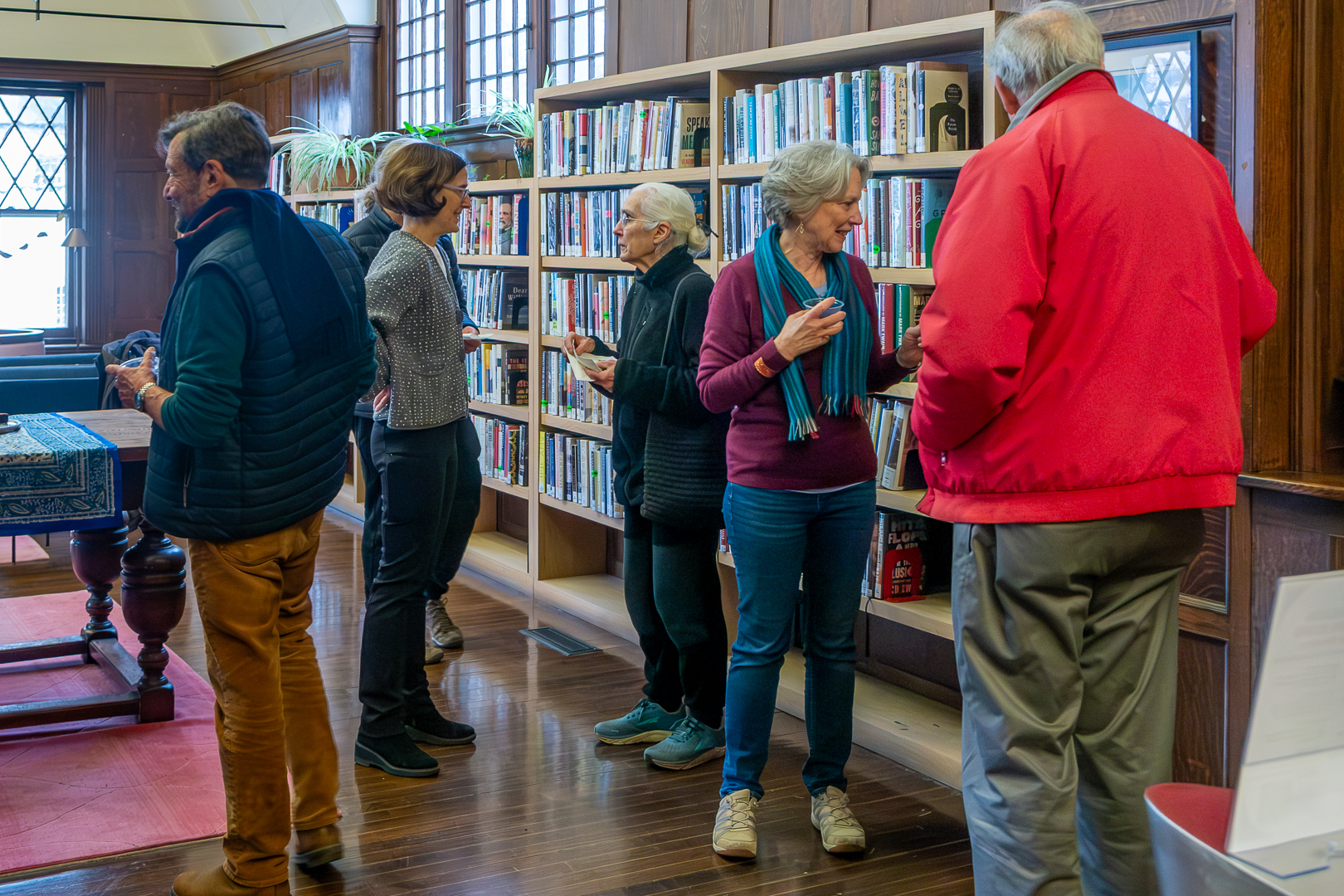
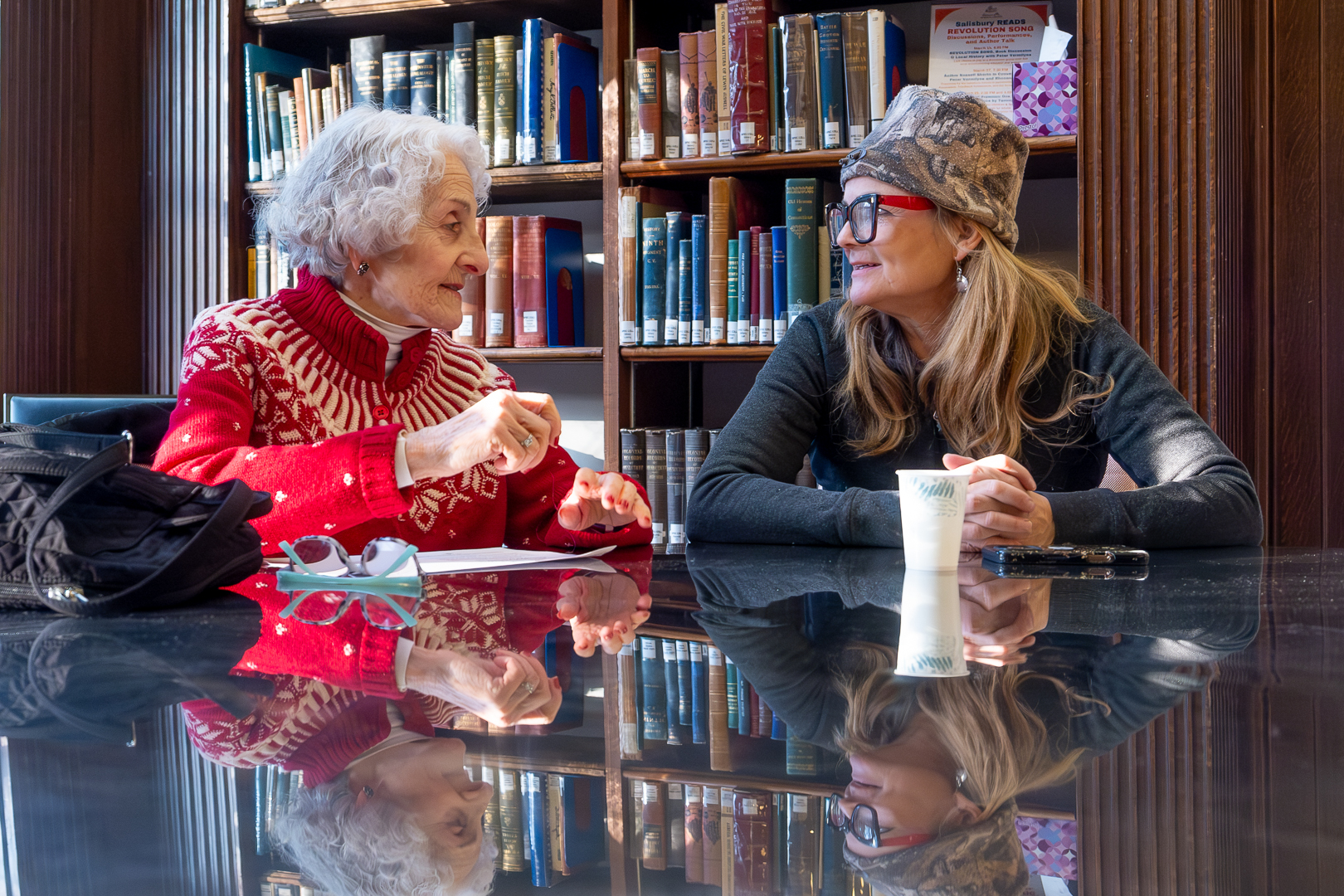
Sharon Town Hall show. The show is up through April 13 th . We also had our opening reception for the
show at the Scoville Library in Salisbury. This unique show titled “What Do You See” includes a write up
for each photo, which provides information about the composition, subject, inspiration for taking the
photos, etc. I found that this really adds to the photo and allows me to appreciate it more. The show is
up through April 19 th . So, if you haven’t seen these shows, stop on by!
Our March meeting was a presentation by Steven Goldberg with help from Gail. Steve shared his
photographs taken in major cities, remote rural areas and fjords during his Scandinavia vacation. You
can find the recording for this meeting on our website at housatoniccameraclub.com.
Spring has arrived on the calendar, but you wouldn’t know it by the temperatures. The long, snowy
winter seemed to stretch on relentlessly. Let’s hope spring will soon breathe new life and the chirping
of birds and warm weather will signal a new beginning. We will then be able to venture outdoors with
our cameras and once again, embrace the beauty of nature with our lenses.
Hope to see you at the April Meeting. I’m looking forward to Sarah’s presentation. Until then, happy
shooting!
Dawn










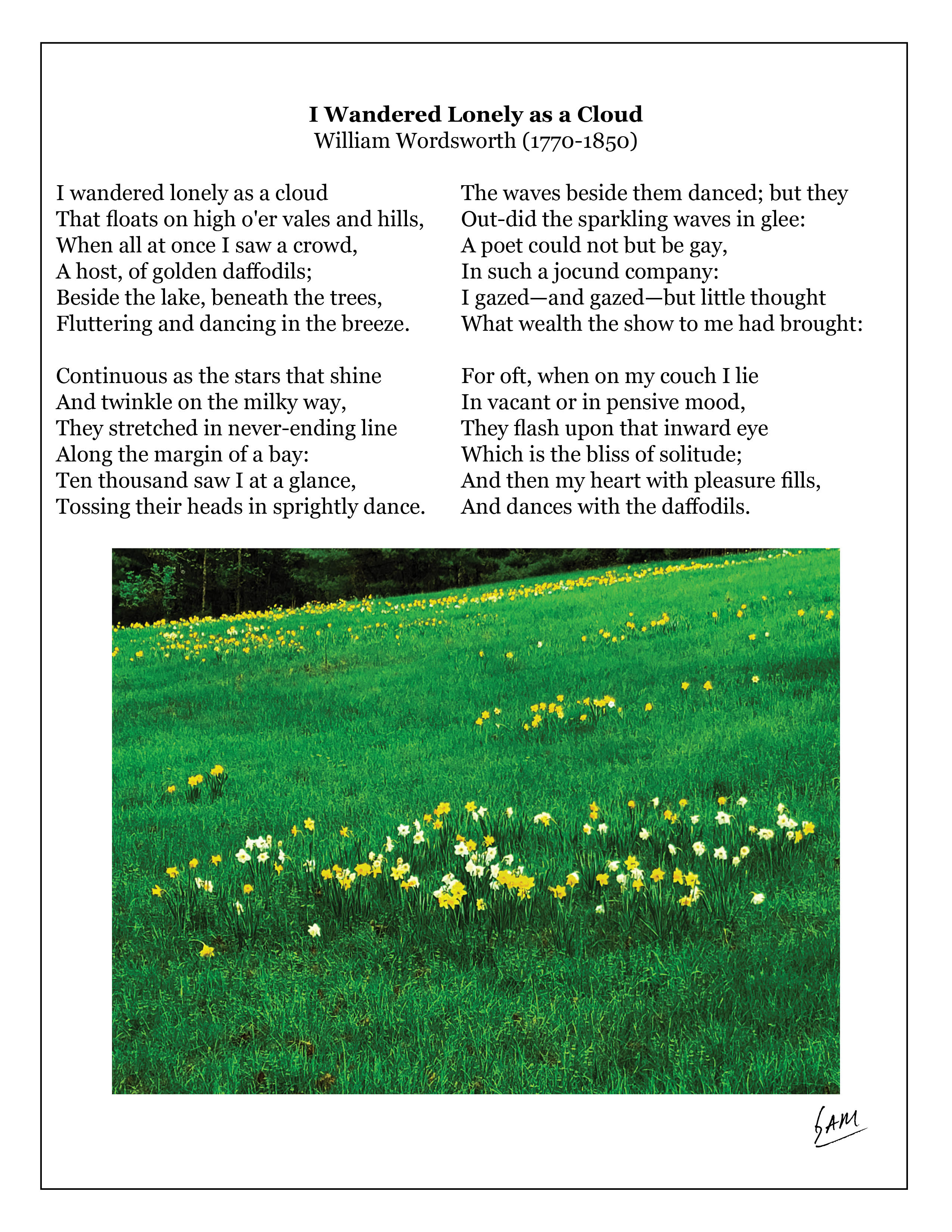
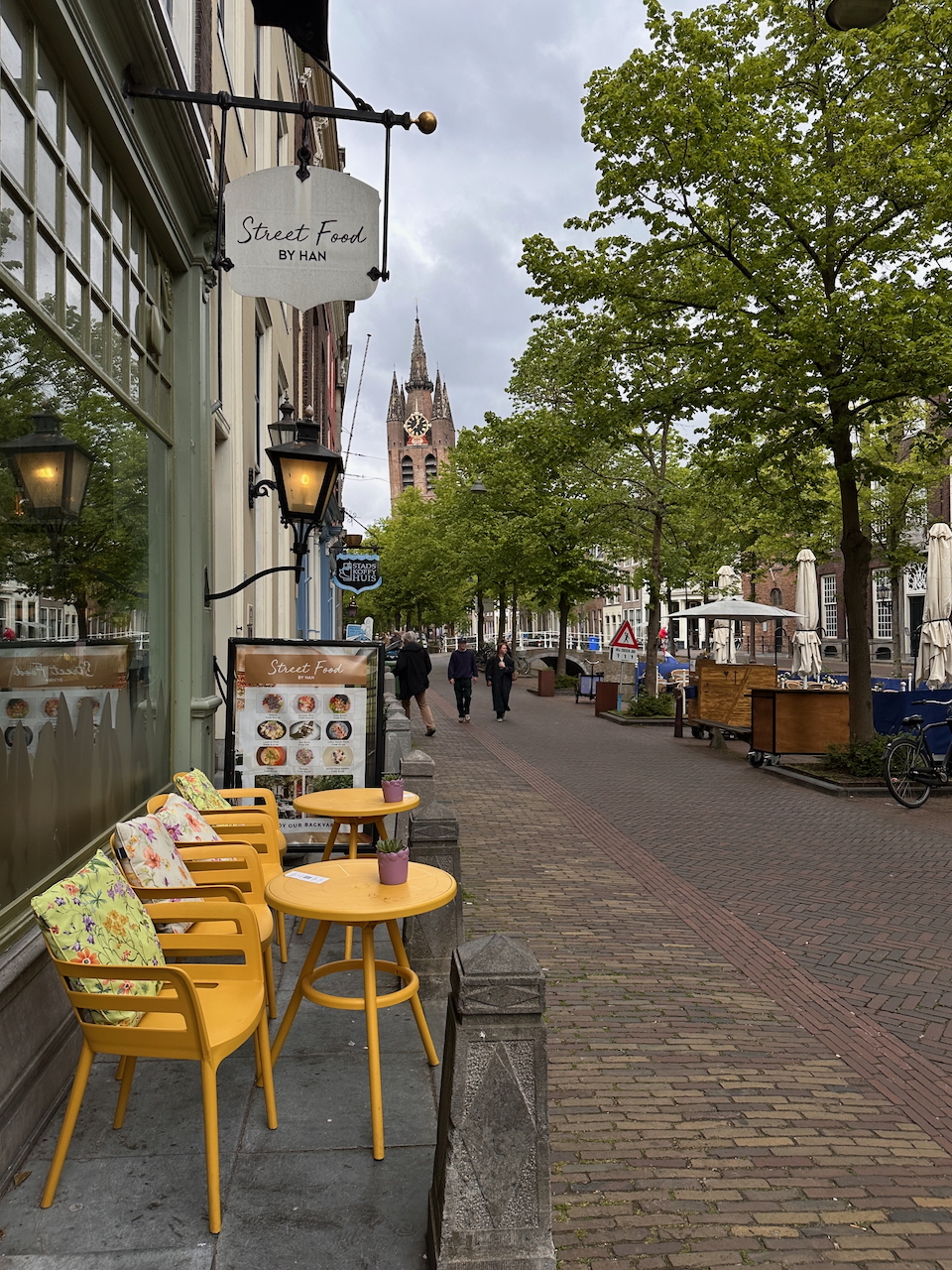
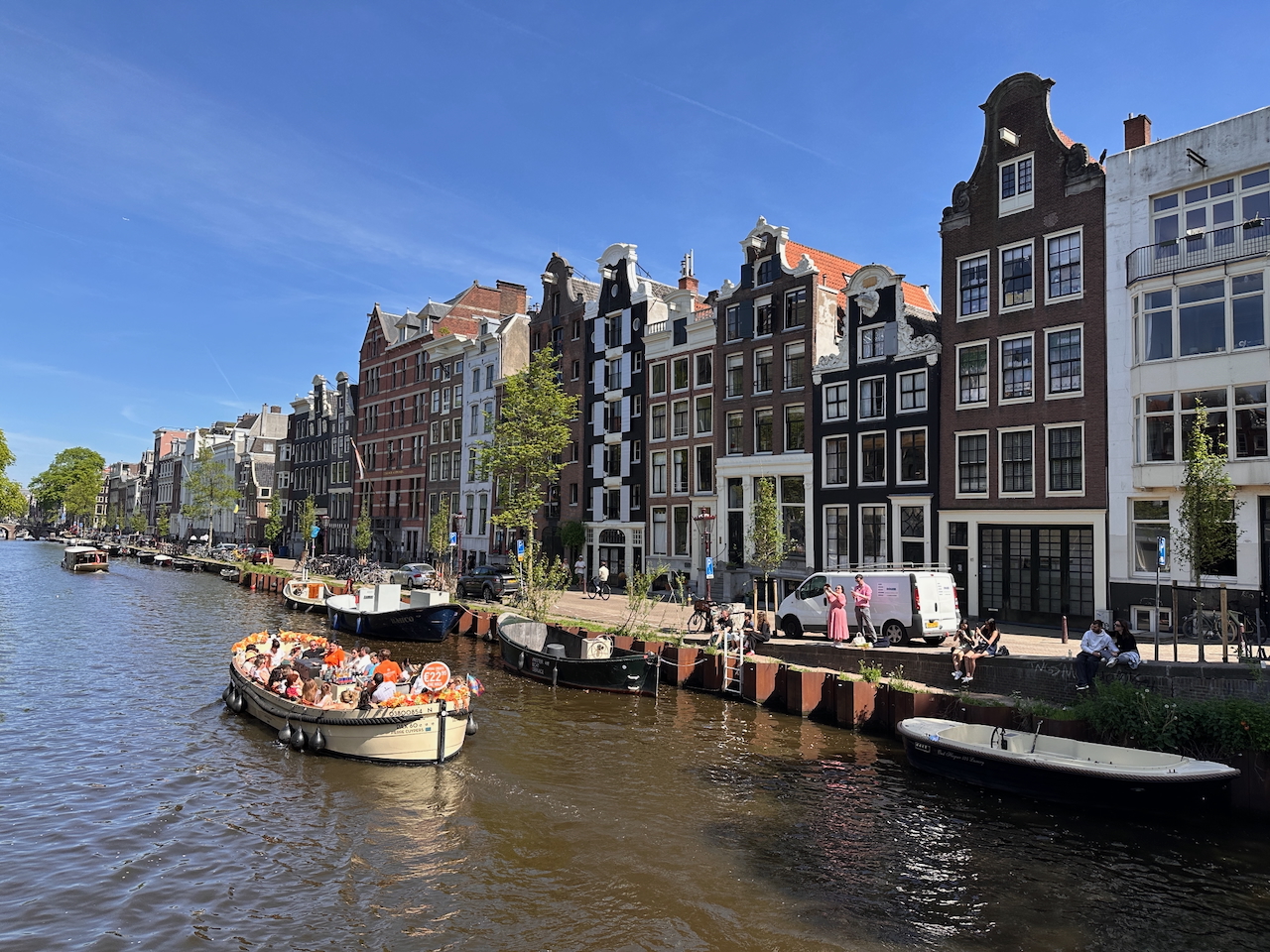
Leave your bike by the canal,
bitterballen and beer,
the tulip bulbs are blooming,
spring in Holland is here.
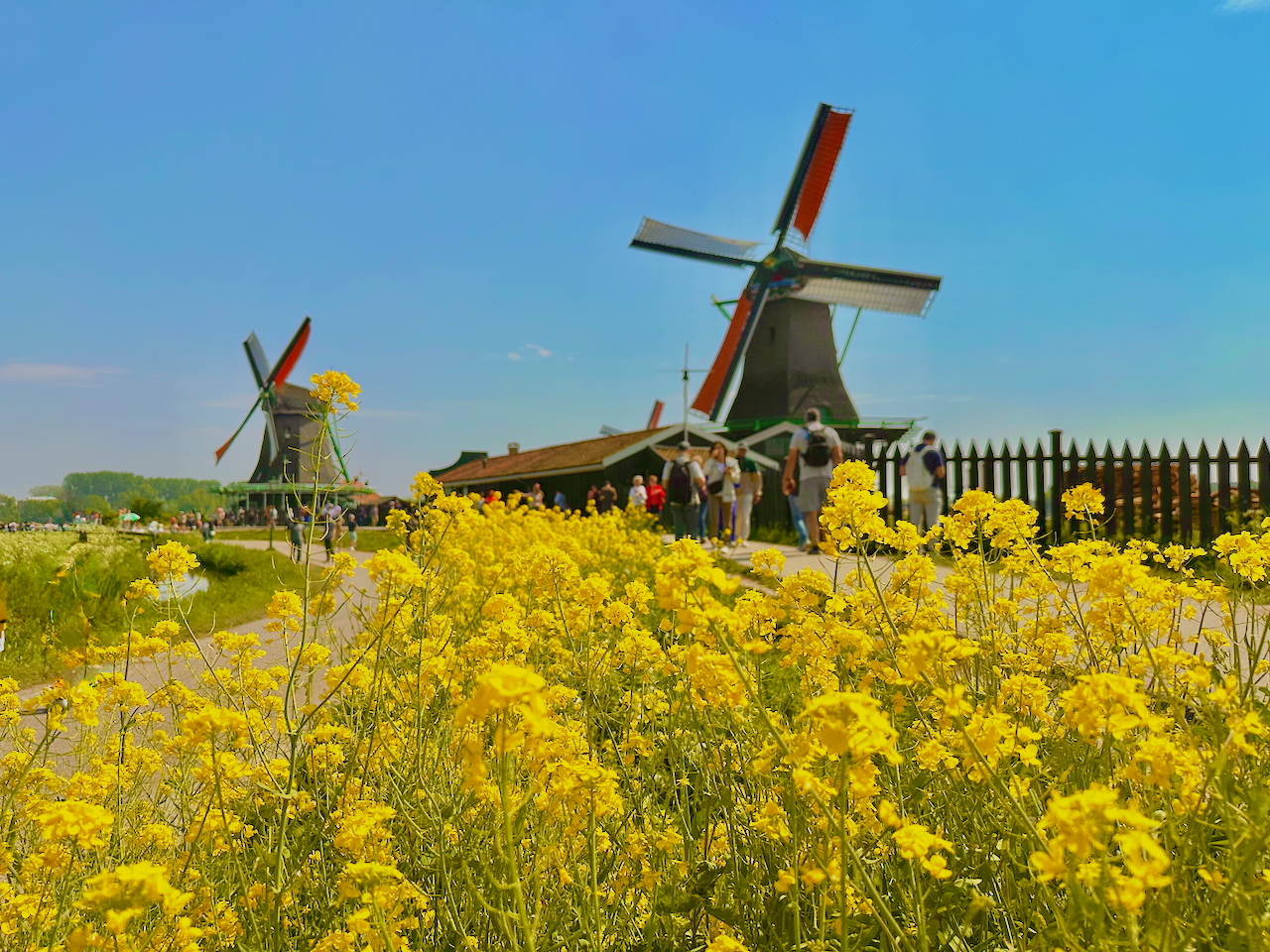
Windmills turn slowly in Zaandam,
travelers without a care,
blue skies and yellow flowers,
spring in Holland is here.
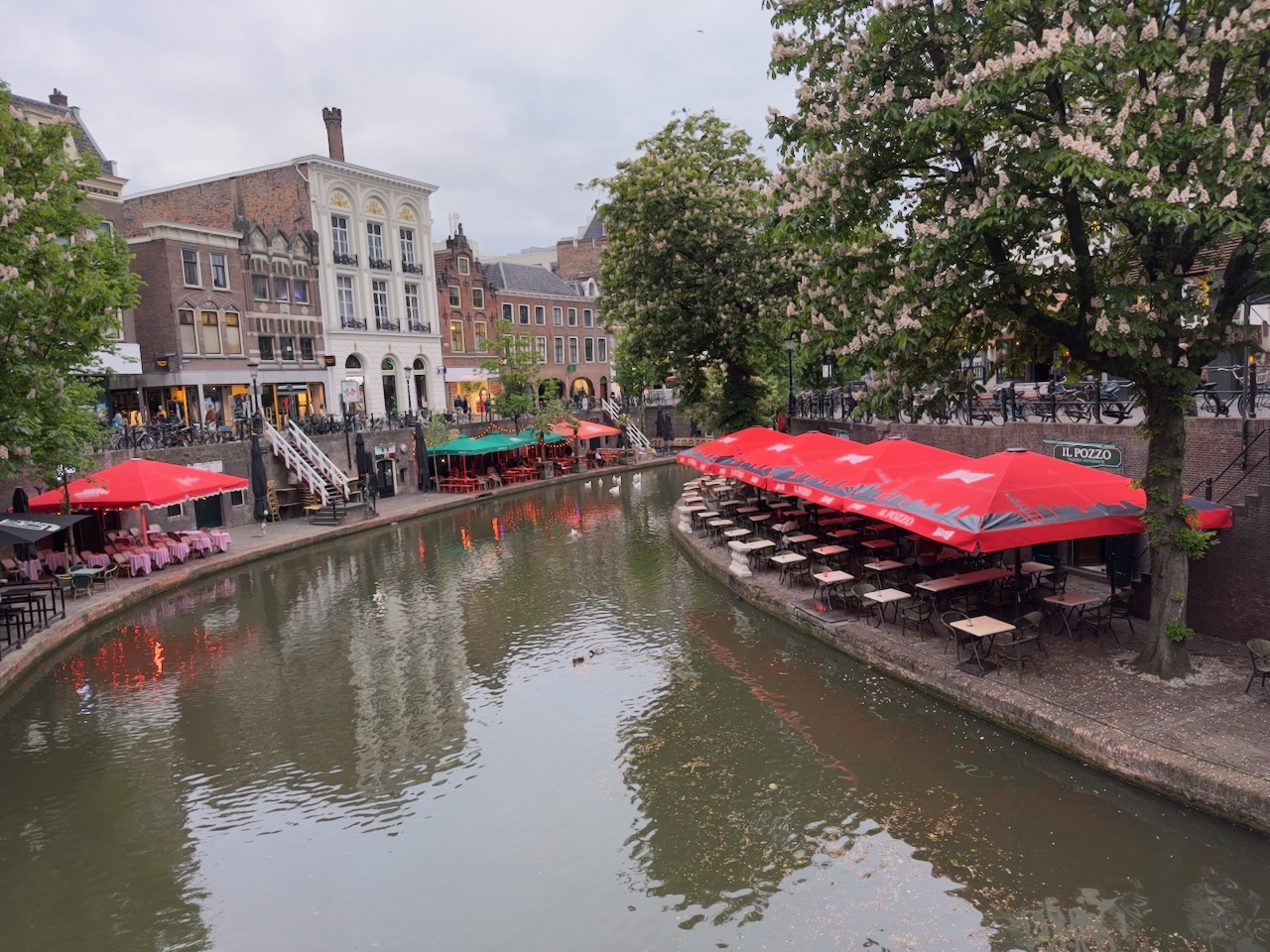
Boats drift through old Utrecht,
church bells ringing clear,
cafes spill onto cobblestones,
spring in Holland is here.
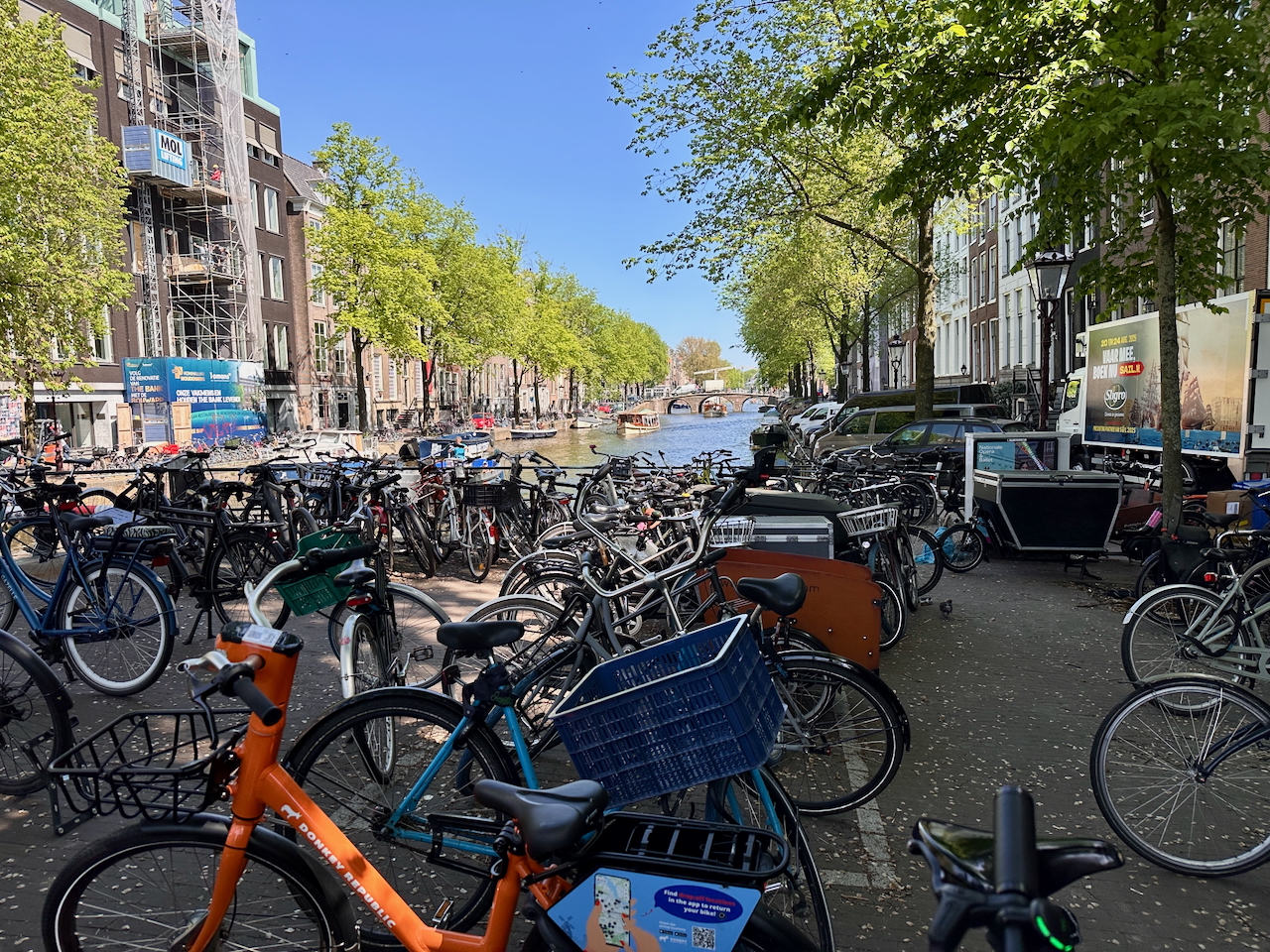
Amsterdam’s markets hum,
their fragrance fills the air,
laughter floats along the streets,
spring in Holland is here.
Mark Marshall




The first sign of spring as you hike, or bike, through the Sonoran Desert is the gentle shift of the desert floor from a vague brown to a subtle green. Then you might spot a brilliant Vermillion Flycatcher quietly awaiting a hapless insect to pass by. The spring migration has begun. Soon all sorts of finches will dot the mesquite trees especially thistle-loving yellow finches. Nibbling on the slowly wakening mesquites ,they feast at your feeder. Sunrise til sunset.
The bright-eyed Killdeer positions himself at the edge of the lakes which, most improbably, call the desert home. Lake Arivaca, minutes from the Mexican border, grows and shrinks depending on the Monsoon.
Much depends on the Monsoon in the desert but not the Ocotillo . The long-lived spindly plant/bush doesn't need water to live, but after one spring rain,followed by high temperatures ,brilliant red-orange nectar-filled clusters attract migratory hummingbirds and yellow-rumped warblers. They don't seem to mind the razor-sharp thorns that dot the wand-like stems.
Not to be outdone by the Flaming Swords, the Crimson Bottlebrush lies low to the rocky ground offering its nectar to passers-by. Close by the Candy Barrel Cactus; candy indeed to the Javalinas. Despite their poor eyesight, these peccaries gobble up prickly fruits, spines and all.


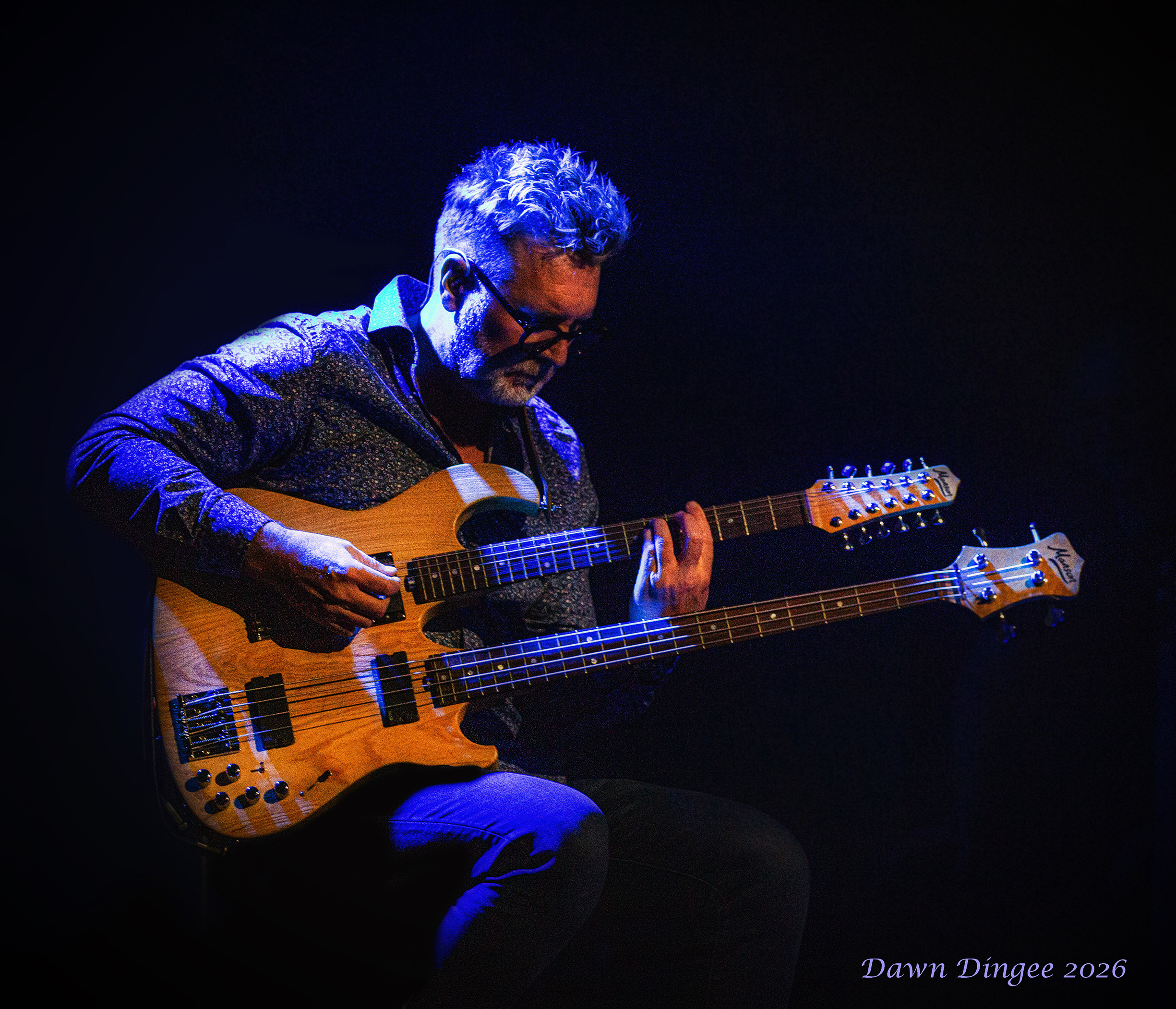
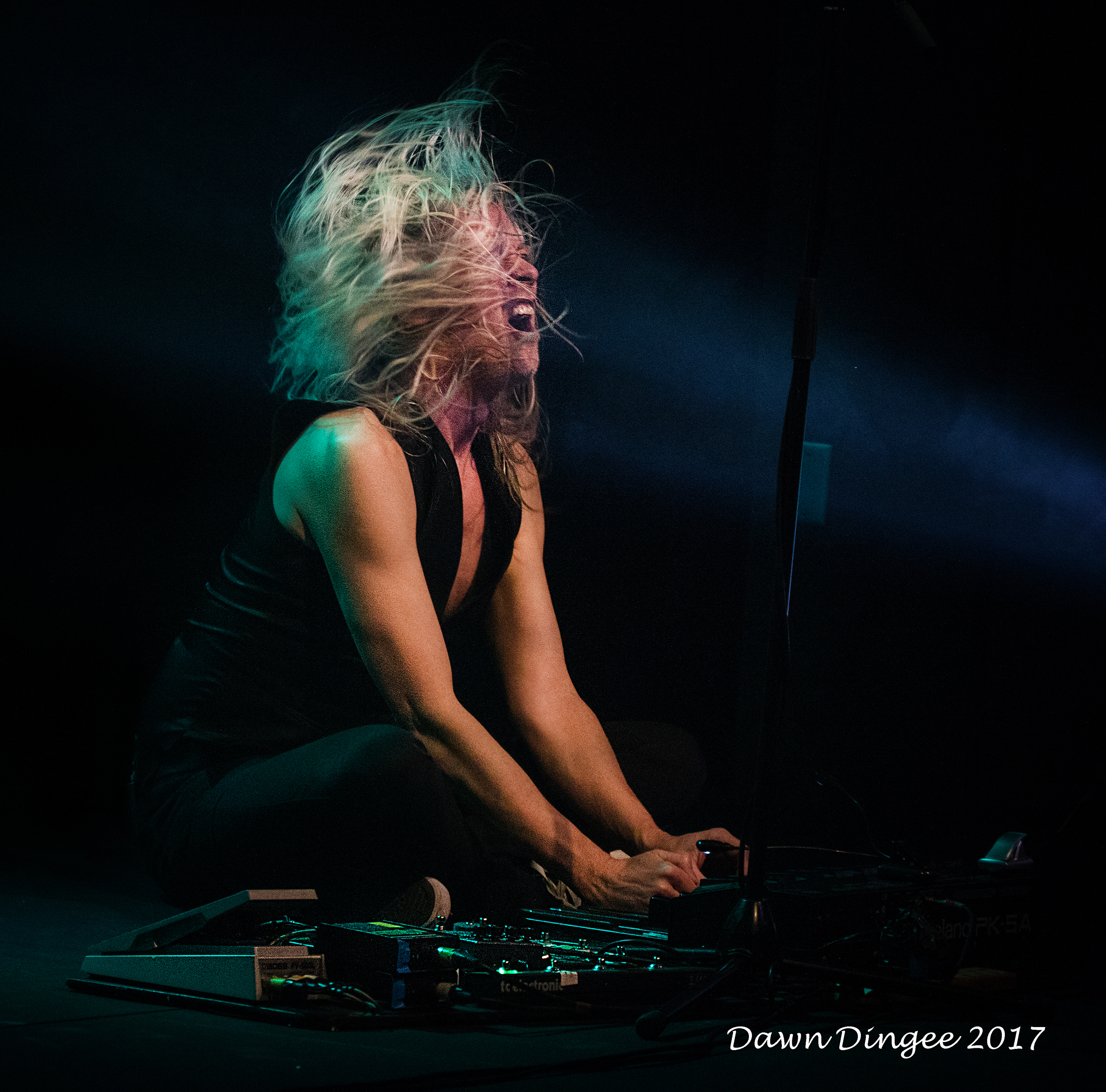
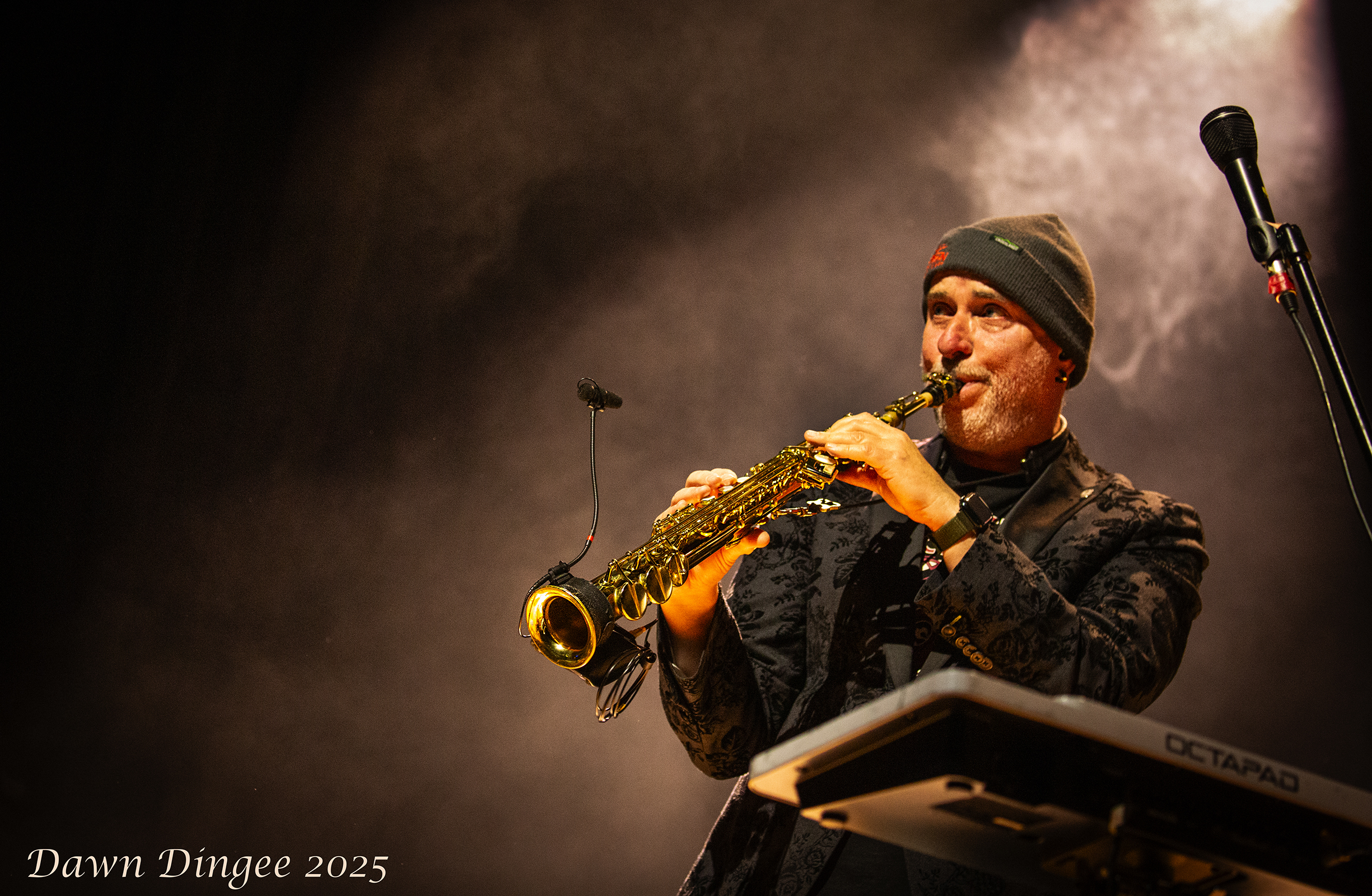
First question; what’s the easiest part of concert photography. Answer - nothing!!!
From gaining access to the venue, to getting permission to shoot, to shooting
unobtrusively, it’s a struggle from the word “go”. To begin with, the shooting conditions
are nightmarish. More than likely, your subject(s) will be constantly moving, making
them a literal moving target and lighting is constantly changing from total darkness to
bright lights to somewhere in between…but not for too long
Be Prepared
1. Ask permission (from the artist and/or the venue). However, when that fails,
shoot anyway and then ask forgiveness later!
2. Secure the proper credentials, and if possible, chat with the security personnel
before the show begins to let them know you’ll be around.
3. BE PREPARED!!! Have your gear ready to go, which means having several
charged batteries and more than one formatted memory card.
4. If possible, consider more than one camera and lens. I typically shoot with a 100
– 400 mm lens so I can get up close and capture the artists up close. I use a 70 –
200 mm lens for wider shots, where I want to capture the full stage.
5. Know the venue. How close will you be able to get to the artist? Some places
will allow you to approach the stage, others will not, so plan your equipment
accordingly (i.e., long lens, medium telephoto, etc.).
6. Follow the Rules! Some artists allow photographers to shoot close to the stage
but only for the first few songs.
7. Shoot courteously. Try not to stay in the same place for more than a minute or so
and do not block anyone’s view!
8. Do not shoot during quiet passages.
9. Put your camera in Silent Shooting mode if possible.
10. Turn off the flash!!! Many artists do not object to being photographed, but no
artist wants the flash going off in their eyes. Also, it disturbs the audience.
11. Dim or turn off the LCD screen so as not to interfere with the viewers sitting behind
you.
Technical Tips
1. If you shoot RAW, white balance is not an issue as it can be corrected during
post processing.
2. Shoot as fast as you can. Since your subject will be moving, use the fastest
shutter speed you can get away with so that you can freeze action. However,
sometimes you may want to shoot a slower speed to capture the motion such as
when shooting a drummer…seeing the sticks in motion can create a great action
shot.
3. Use the highest ISO that will yield acceptable results.
4. Use fast lenses (i.e., f2.8 when possible).
5. Keep your fingers on the controls and be prepared to adjust shutter speed on the
fly (as lighting changes).
After the Shoot
1. Send thanks to the venue and to the artist.
2. Offer some of your work to both for them to use for promo purposes.
3. Set aside a lot of time for post-processing. You are likely going to come away
with many images. I typically have 300 – 400+ RAW files from a single concert
and I end up processing 25-40 photos per show.
Concert photography is not for everyone. And oftentimes, if the viewer doesn’t know
the band, they are less interested in the photos. So, it’s not easy to wow everyone with
your photos, no matter how good they may be. I’ve been photographing concerts for 13
years. I don’t get paid; I just do it for fun.
I have developed a style that is recognizable. I typically try to anticipate moments to
capture something unique. Some of my photos have been used by multiple artists on
album covers, static videos and tour booklets.
Some photos over the years…